

Flordelizperez Gambling Online offers an elite selection of top-tier casino games and premium slots designed for the ultimate gaming experience. Discover a secure platform where innovation meets classic casino thrills, providing you with endless opportunities to win big.

casino deposit

Author: Talia

online casino

The Role of AI in Real-Time Transaction Monitoring

In the high-speed financial ecosystem of 2026, the concept of a human sitting behind a screen to approve a transaction is as antiquated as a hand-written ledger. In my capacity as a representative for a leading online casino and a pioneer in high-velocity digital entertainment, I have witnessed a total metamorphosis in how we handle the movement of capital. We are no longer looking at transactions as isolated events but as fluid data points within a vast, interconnected neural network. The implementation of Advanced Artificial Intelligence (AAI) has moved us from the era of “Detection” into the era of “Prediction.” We no longer wait for a fraudulent transaction to occur so we can flag it: our AI models now predict the probability of fraud before the user even clicks the final confirmation button. This level of oversight is the only way to maintain trust in an age where transactions happen in milliseconds across a dozen different blockchain and fiat corridors.

The shift toward AI-driven monitoring was not just a choice for us: it was a necessity driven by the sheer complexity of the 2026 market. We deal with a global audience using everything from Central Bank Digital Currencies (CBDCs) to privacy-wrapped Layer 2 tokens. Traditional rule-based systems, which relied on “if-then” logic, were simply too brittle to handle the nuanced behaviors of modern users. Today, our AI “Sentinels” analyze over 10,000 variables per second per transaction. We aren’t just looking at the amount and the destination: we are looking at the cadence of the user’s clicks, the stability of their biometric signature, and their historical interaction with global liquidity pools. This is the new standard of financial integrity.
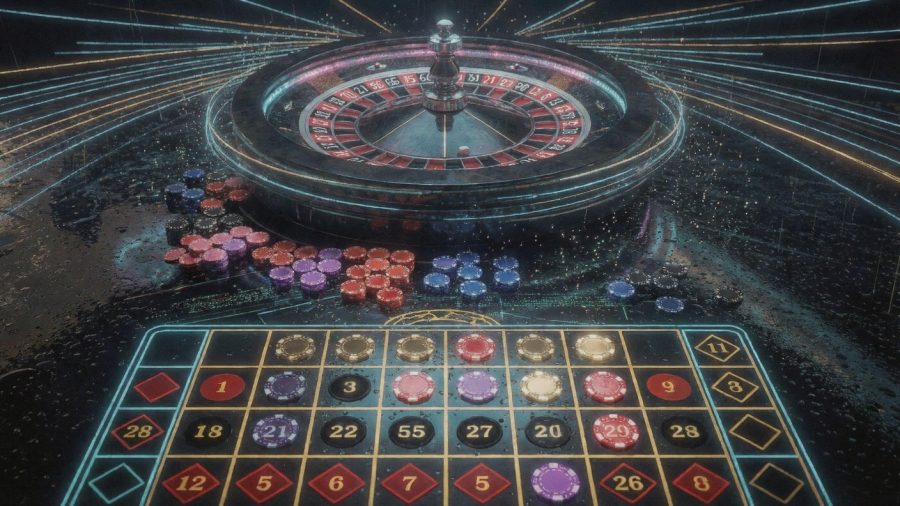

casino deposit

How to Use QR Codes for Lightning-Fast Deposits

In the high-velocity world of 2026, the distance between intent and action has shrunk to a few milliseconds. As a representative of the digital gaming and transaction sector, I have watched the humble QR code transform from a simple marketing gimmick into the most powerful tool for instant capital movement. Gone are the days of manually entering sixteen-digit card numbers or wrestling with multi-step bank logins on a mobile screen. Today, when you initiate a casino deposit, the process is as simple as a visual handshake between your device and our platform. This shift to QR-centric finance has been driven by the need for absolute speed and the elimination of human error, which was the primary cause of transaction failures in the early 2020s.

Standing here in 2026, I can tell you that the “Scan-and-Settle” protocol has become the gold standard for European and global users. We are no longer using the static, grainy QR codes of the past. We have moved to high-density, dynamic, and often color-coded matrices that carry far more than just a URL. These codes contain encrypted payment tokens, biometric verification triggers, and instant-settlement instructions. In my expert view, the QR code is the final bridge between the physical user and the frictionless digital economy. It allows us to bypass the clunky interfaces of legacy banking apps and move straight to the finality of the transaction.

Casino smart cards

Why Smart Cards are the New Cash in Virtual Casinos

In my years of overseeing high-stakes digital environments and observing the shifting tides of user psychology, I have noticed a fascinating reversal in behavior as we move through 2026. We spent more than a decade trying to eliminate the physical from our lives, pushing everything into the “cloud” and the “ether,” yet here we are, seeing Casino smart cards emerge as the dominant form of virtual cash for the discerning player. This trend is not a step backward; it is a sophisticated evolution. In the modern era, the abstract nature of digital numbers on a screen has created a “reality gap” that many users find unsettling. By reintroducing a physical touchpoint that holds cryptographic value, we have successfully married the speed of the digital world with the visceral security of holding money in your hand.

Standing here in 2026, the smart card has become the ultimate “liquidity key.” It is no longer just a piece of plastic with a magnetic stripe; it is a high-performance computer in your pocket, equipped with dedicated secure elements that make traditional e-wallets look like relics of the past. As a representative of this industry, I have seen how these cards have solved the two biggest problems in virtual gaming: the psychological disconnect of “play money” and the ever-present threat of cloud-based account hijacking. When a player taps their card against their smartphone to authorize a high-stakes move, they are not just making a transaction; they are engaging in a ritual that mirrors the tactile satisfaction of throwing chips onto a physical table.

Page 2 of 2

Powered by WordPress & Theme by Anders Norén